


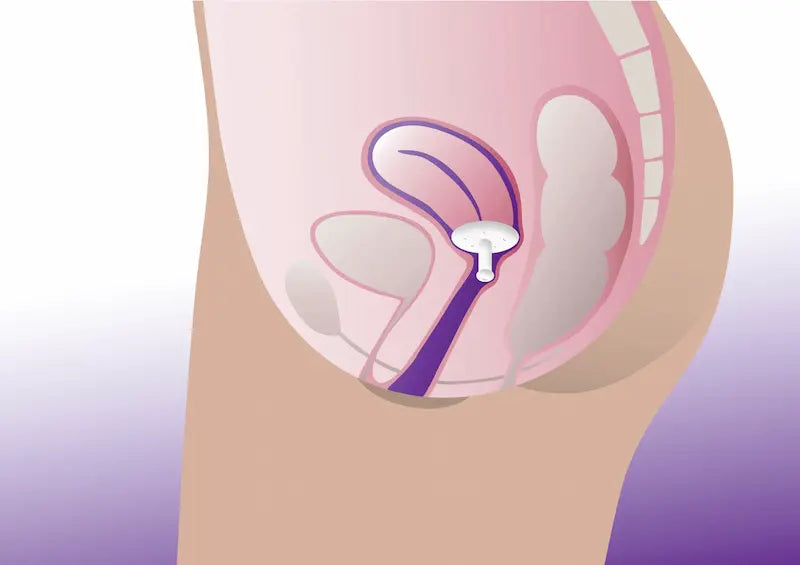
Gellhorn long stem Pessary faqs
What is a vaginal pessary and what is it used for?
A vaginal pessary is a medical device inserted into the vagina to provide internal support to the pelvic organs. It is most commonly used to manage pelvic organ prolapse (POP) — a condition where the bladder, uterus, or bowel descends into or beyond the vaginal wall — and to relieve symptoms of stress urinary incontinence.
Pessaries offer a safe, non-surgical alternative for women who prefer to avoid or delay an operation, are not suitable candidates for surgery, or are waiting for a procedure. They are also widely used during pregnancy and in older patients.
Common reasons a pessary may be recommended include:
- Pelvic organ prolapse of the vaginal walls supporting (bladder prolapse, uterine prolapse, or bowel prolapse)
- Stress urinary incontinence — leaking urine when coughing, sneezing, or exercising
- Pelvic pressure or heaviness
- Support during for pelvic organ prolapse during pregnancy (after 1st Trimester RING and RING with Knob ONLY)
- or postpartum recovery (from 6weeks postpartum)
• • When fitted correctly, most women find a pessary comfortable and can go about daily life without noticing it is in place.
How do I know which pessary type and size is right for me?
Choosing the right pessary type and size is done by a trained healthcare professional — usually a gynaecologist, urogynaecologist, specialist nurse or specialist pelvic health physiotherapist — through a pelvic examination. There is no single "correct" size; it is highly individual and based on your anatomy.
During the fitting appointment, your clinician will assess:
- The type and grade of prolapse or the nature of your symptoms
- The size of your vaginal vault and the strength of the pelvic floor muscles
- Whether you are sexually active (which may influence device choice)
- Your personal preference for self-management versus clinic management
The ring pessary is the most commonly prescribed type and suits most cases of mild to moderate prolapse. It works by sitting behind the pubic bone and supporting the vaginal walls. Sizes are measured by external diameter in millimetres (mm) — our ring pessaries range from 51mm to 108mm to accommodate different anatomies.
It is normal to try more than one size before finding the best fit. A well-fitted pessary should feel comfortable at rest, during movement, and when passing urine, without falling out or causing pressure.

📦 Free Delivery

🔒 Discreet Packaging

📞 Need Help?
